

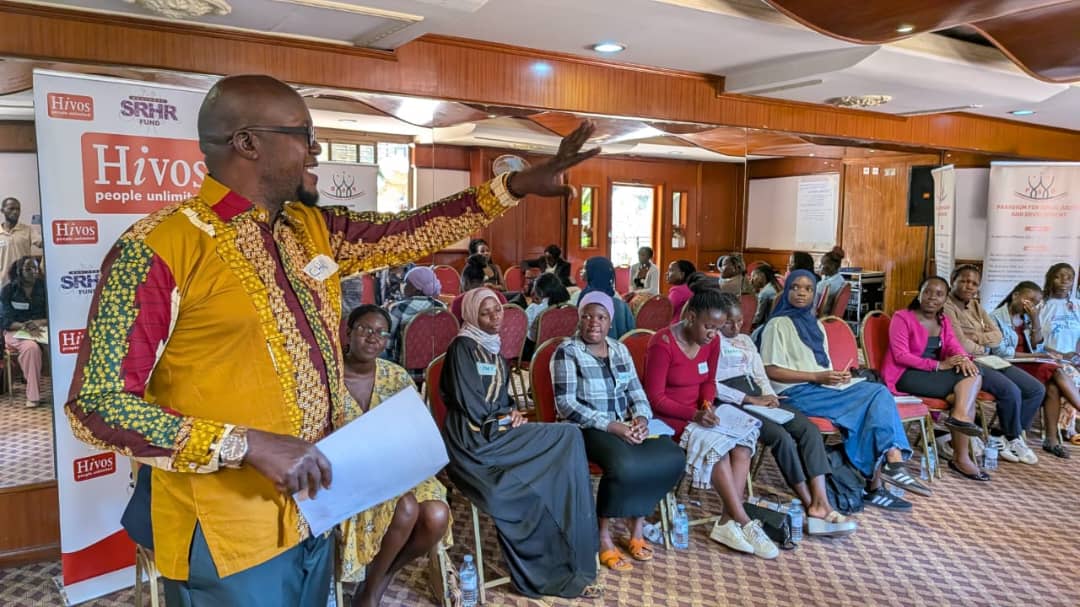
The government has been urged to establish independent village-level committees to handle Sexual and Reproductive Health and Rights (SRHR) issues, in a move experts say could strengthen protection for women and children and reduce violations driven by silence and lack of awareness.
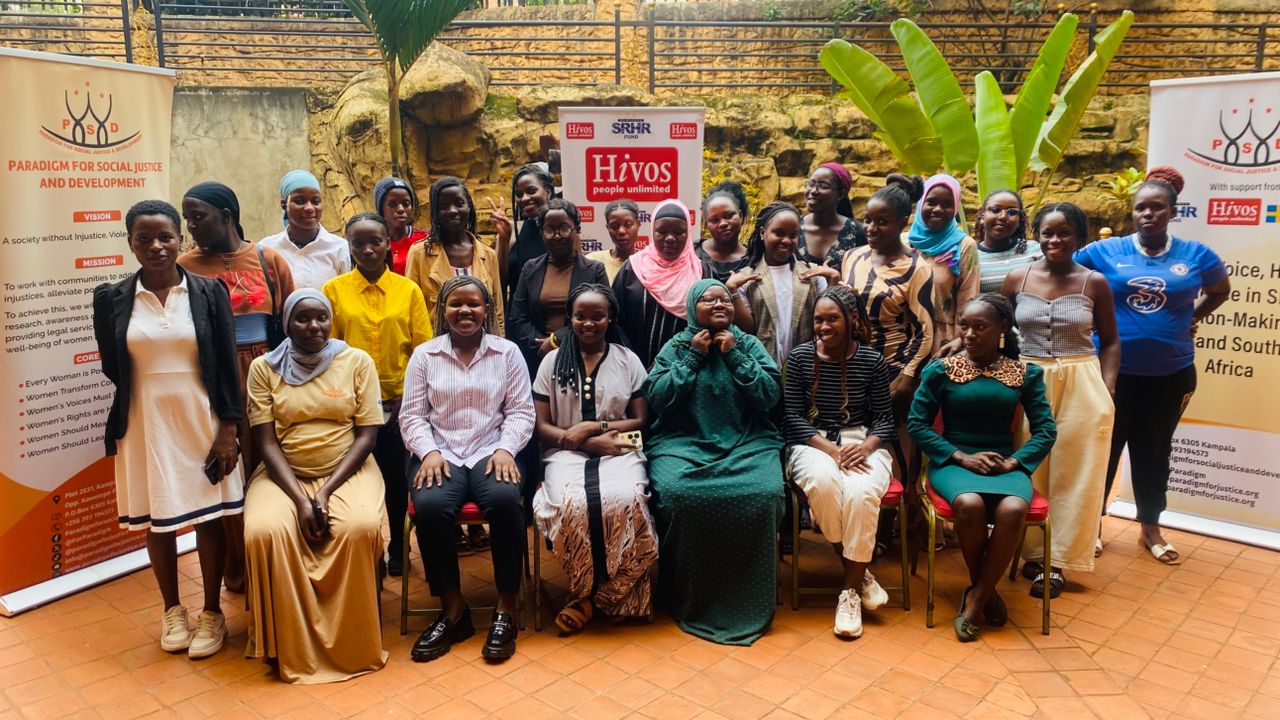
The call was made during a three-day training workshop for girls organised by Paradigm for Social Justice and Development in Kawempe Division.
Speaking at the training, lead facilitator Chris Charles Oyua said many girls lack the knowledge and support systems needed to respond when their rights are violated, particularly in cases involving forced relationships, sexual abuse, and early pregnancies.
“Many girls are pushed into relationships and childbearing against their will, yet they fear speaking out because they do not know who to turn to,” Oyua said.
He added that the absence of structured support at community level has left many young people exposed, especially where parental guidance is limited or absent.
“Government should introduce peer educators in villages, similar to Village Health Teams, so that young people can have trusted people to run to whenever they face challenges,” he said.
Oyua also encouraged girls and young women to speak out against injustice and actively engage in issues affecting their lives, including health, budgeting, policy participation, and human rights.
“They must speak up if they want to see change in their communities and in the country,” he said, urging them to use social media platforms responsibly to amplify awareness and advocacy messages.
Participants echoed similar concerns. Sonia Uwera said many girls remain uninformed about their rights and often endure difficult situations in silence due to fear and stigma.
“Government should continue educating young people, especially on HIV/Aids, so they know how to protect themselves and make informed decisions before engaging in sexual relationships,” she said.
She added that stigma continues to prevent many young people from seeking help.
“Young people need to be encouraged to talk openly so they can receive help,” Uwera noted.
Adijjah Nansubuga, representing the organising body, said the training was designed to empower girls and women with legal knowledge on SRHR while encouraging their participation in national development processes.
“We organised this training to help girls and women understand their rights and know where they can seek help whenever they face challenges,” Nansubuga said.
She further called on government to create more inclusive platforms that allow citizens to freely express their views on national issues.
Nansubuga also emphasised the critical role of parents in addressing SRHR challenges, urging them to overcome cultural barriers and engage openly with their children.
“If parents do not guide their children, they may get wrong advice from strangers. Parents should either speak to them directly or connect them to trusted mentors,” she said.
The programme received support from Hivos, with organisers expressing optimism that coordinated action among government, communities, and civil society could significantly reduce violence, ignorance, and other social challenges affecting young people.
The proposal to establish village-level committees reflects a growing recognition among experts that sustainable solutions to SRHR challenges must be rooted in community structures, where trust, accessibility, and timely intervention can have the greatest impact.
